The short answer
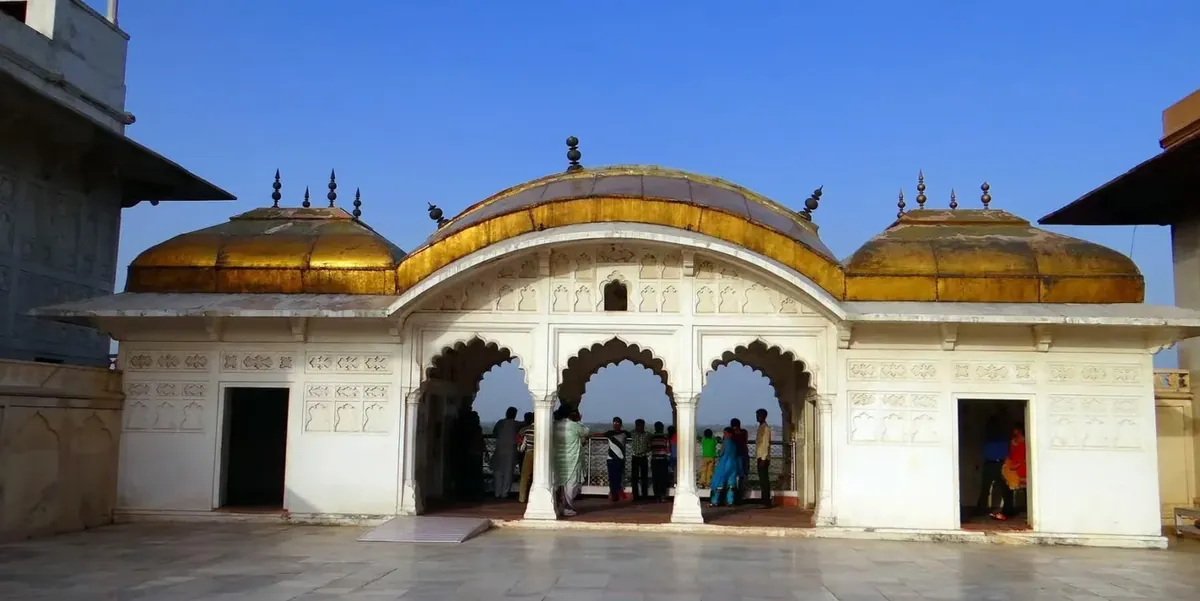
For Delhi, Agra, Jaipur and Rajasthan, October to March is the most comfortable. Days are warm, nights are cool and skies are clear.
By season
Each season has a different mood:
By region
The north, Rajasthan and Varanasi are best from October to March. Kerala is best from October to March too, though the monsoon landscapes are beautiful. The Himalayas are best in the warmer months.
Festivals
Diwali falls in October or November and Holi in March, and the dates change each year. Check the calendar if you want to travel with or avoid festival crowds.
How we plan around the season
In hot months we start early, rest at midday and keep drives short. In busy months we book hotels sooner.
October and November
After the monsoon the air clears and the landscape is green. Days are warm and nights are mild. This is the start of the busy season, and Diwali can make parts of the country crowded and expensive, so book early if your dates fall around it.
December and January
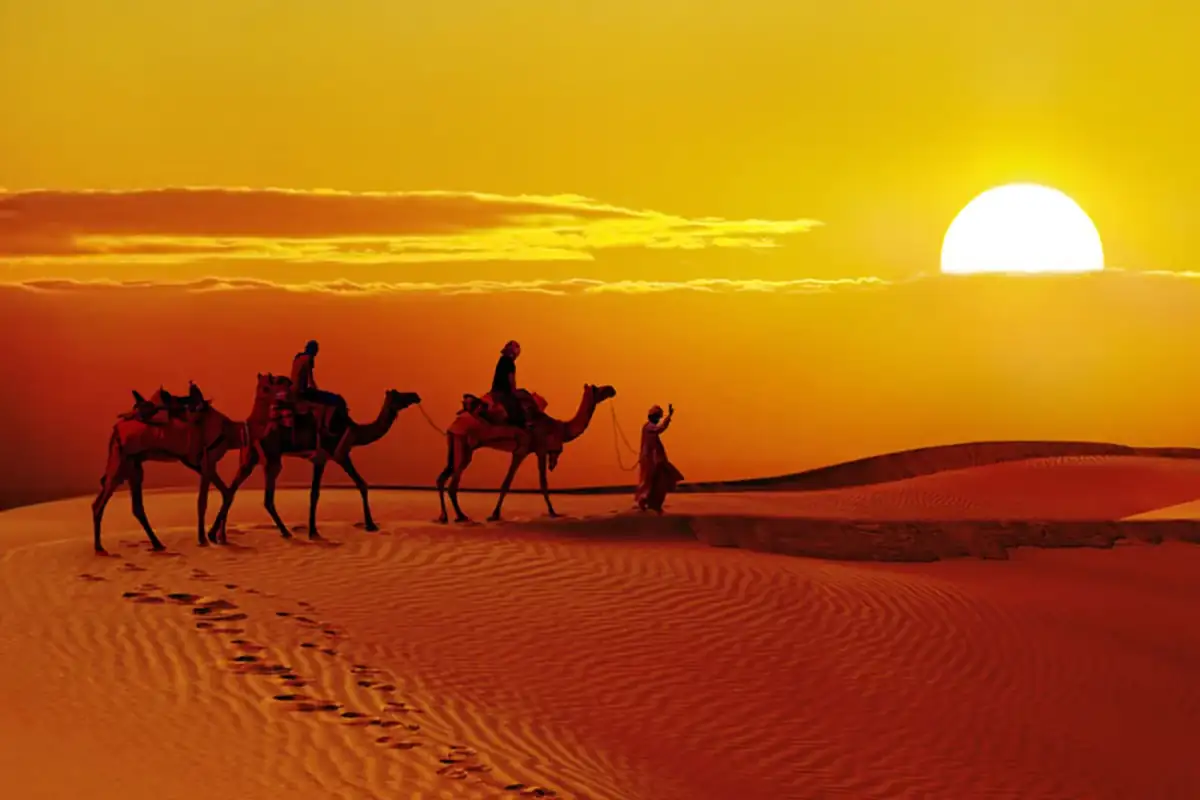
These are the coolest months in the north. Mornings in Delhi and Agra can be foggy, which sometimes delays flights and trains and hides the Taj Mahal at sunrise. Bring warm layers for early starts. Rajasthan deserts are cold at night but beautiful by day.
February and March
Many guests consider this the sweet spot: clear skies, comfortable days and gardens in bloom. Holi falls in March and is a joyful but messy festival. Decide in advance whether you want to be in the middle of it.
April to June
It is very hot across the north. If this is the only window you have, we plan early starts, a long break from midday to late afternoon and hotels with a pool. Monuments are quieter and rooms are better value, which suits travellers who are used to heat.
July to September
The monsoon brings heavy rain, but not all day, every day. Landscapes turn green, Kerala looks its best for some travellers and fares drop. Travel may be slower, and some wildlife parks close for the season, so check dates for any safari you want.
Choosing by what matters most to you
If comfort comes first, go between October and March. If you want fewer people and lower prices, consider the shoulder months and accept the heat or rain. If you want a particular festival or a wildlife season, plan the rest of the trip around that date.
What to pack for each season
In winter, bring layers: mornings and evenings in the north are cold, and midday can be warm. In summer, choose light cotton, a hat and sun protection. In the monsoon, bring a light rain jacket and shoes that dry quickly. Modest clothing that covers shoulders and knees works in every season and is expected at temples and mosques.
We send a short packing list with your plan, adjusted to your dates and route.
Booking around the calendar
Peak weeks, such as the lead up to Christmas and New Year, fill hotels and trains early. If you are flexible by a week, tell us. Moving a trip a few days can open better rooms and make the days calmer.
Weather is only one factor
Some guests would rather see fewer people in the heat than share a monument with crowds in winter. Others cannot stand the heat at any price. Think about how you cope with heat, crowds and rain, and we will help you choose.